KAMC2022

KAMC is organised by IAFOR in association with the IAFOR Research Centre at the Osaka School of International Public Policy (OSIPP) in Osaka University, Japan.


Join us in Kyoto for KAMC2022!

October 17–20, 2022 | Held in Kyoto, Japan, and online
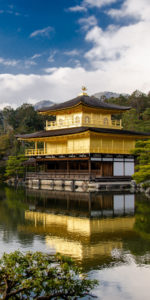
Welcome to The 3rd Kyoto Conference on Arts, Media & Culture (KAMC2022), held in partnership with the IAFOR Research Centre at the Osaka School of International Public Policy (OSIPP) at Osaka University, Japan.

KAMC2022 encourages academics and scholars to meet and exchange ideas and views in an international forum stimulating respectful dialogue. This event will afford an exceptional opportunity for renewing old acquaintances, making new contacts, networking, and facilitating partnerships across national and disciplinary borders.

Since its founding in 2009, IAFOR has brought people and ideas together in a variety of events and platforms to promote and celebrate interdisciplinary study, and underline its importance. IAFOR continues to engage in many cross-sectoral projects across the world, including those engaging leading universities (Virginia Tech, UCL, Singapore Management University, University of Belgrade, Lingnan University, Barcelona University, University of Hawai’i, Moscow State University), think tanks, research organisations and agencies (the East-West Center, The Center for Higher Education Research, The World Intellectual Property Organization), and collaborative projects with governments, and international governmental organisations (Government of Japan through the Prime Minister’s office, the United Nations in New York), media agencies (The Wall Street Journal, JWT, HarperCollins).

With the IAFOR Research Centre at Osaka University, we have engaged in a number of interdisciplinary initiatives we believe will have an important impact on domestic and international public policy conversations and outcomes.

IAFOR's unique global platform facilitates discussion around specific subject areas, with the goal of generating new knowledge and understanding, forging and expanding new international, intercultural and interdisciplinary research networks and partnerships. We have no doubt that KAMC2022 will offer a remarkable opportunity for the sharing of research and best practice and for the meeting of people and ideas.

The 3rd Kyoto Conference on Arts, Media & Culture (KAMC2022) will be held alongside The 13th Asian Conference on Media, Communication & Film (MediAsia2022). Registration for either conference will allow delegates to attend sessions in the other.

We look forward to seeing you in Kyoto and online!

– The KAMC2022 Organising Committee

Nasya Bahfen, La Trobe University, Australia
Thomas G. Endres, University of Northern Colorado, United States
Joseph Haldane, The International Academic Forum (IAFOR), Japan
Bradley J. Hamm, Medill School of Journalism, Northwestern University, USA
Virgil Hawkins, Osaka University, Japan
Celia Lam, University of Nottingham Ningbo, China
Timothy W. Pollock, Osaka Kyoiku University / Osaka Metropolitan University, Japan
Paul Spicer, Hokkaido University, Japan
Gary E. Swanson, University of Northern Colorado, USA (fmr.)

KAMC is organised by IAFOR in association with the IAFOR Research Centre at the Osaka School of International Public Policy (OSIPP) in Osaka University, Japan.


IAFOR Journal of Cultural Studies (Scopus Indexed Journal)

This conference is associated with the Scopus and DOAJ listed IAFOR Journal of Cultural Studies.


Key Information
  • Venue & Location: Held in Kyoto, Japan, and online
  • Dates: Monday, November 09, 2026 ​to Friday, November 13, 2026
  • Early Bird Abstract Submission Deadline: May 15, 2026*
  • Final Abstract Submission Deadline: July 24, 2026
  • Registration Deadline for Presenters: September 04, 2026

*Submit early to take advantage of the discounted registration rates. Learn more about our registration options.

Back to Top


Speakers

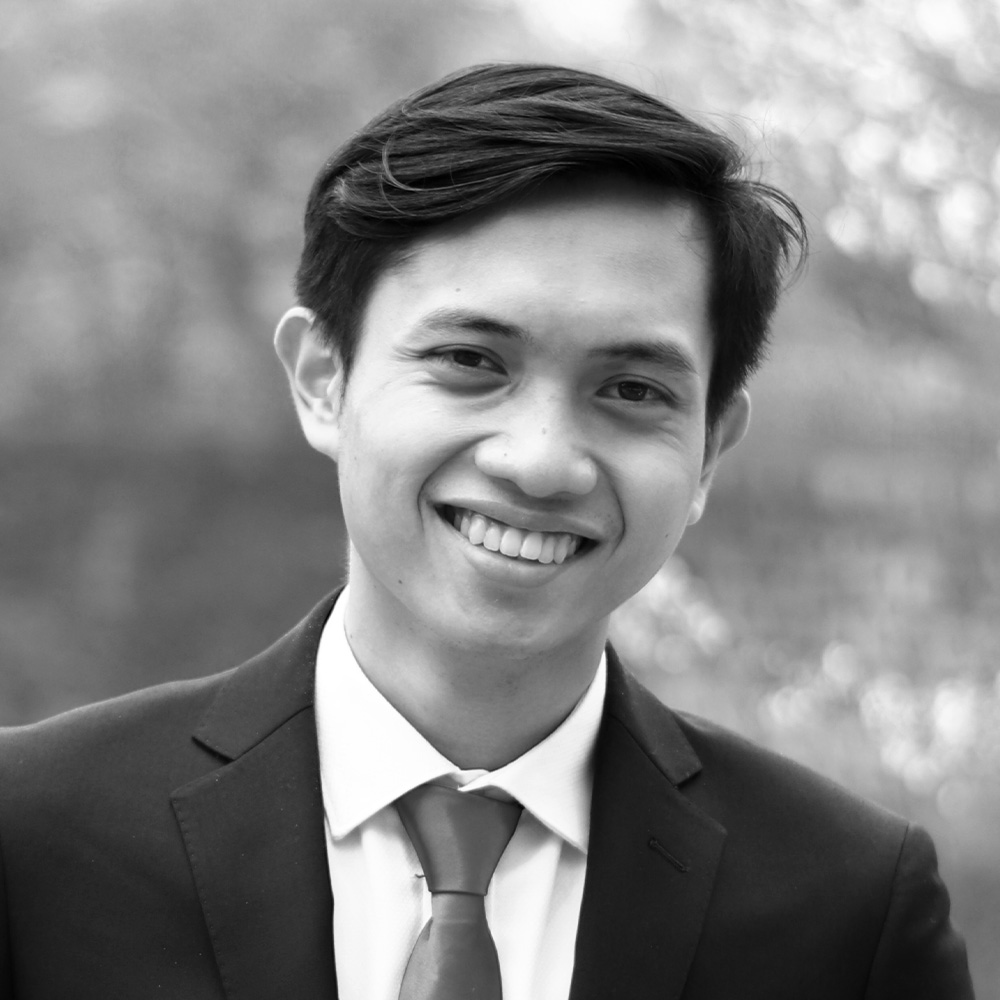
  • Syafiq Syaikhul Akbar
    Syafiq Syaikhul Akbar
    Osaka School of International Public Policy (OSIPP), Osaka University, Japan
  • Nasya Bahfen
    Nasya Bahfen
    La Trobe University, Australia
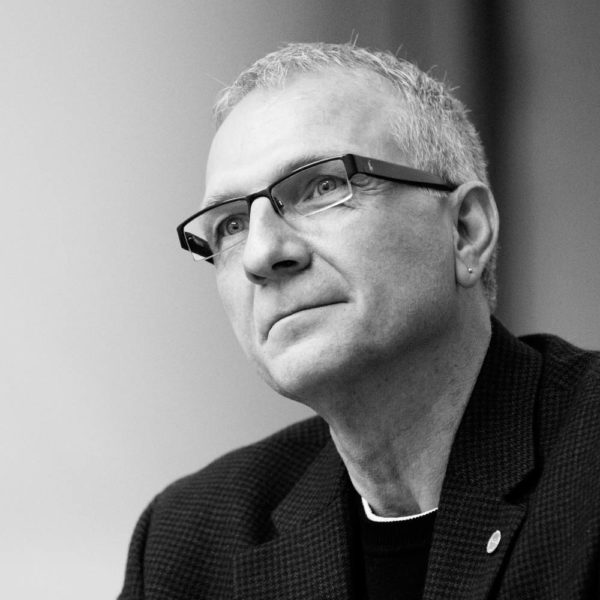
  • Thomas G. Endres
    Thomas G. Endres
    University of Northern Colorado, United States
  • Kelsey Oliver Imanishi
    Kelsey Oliver Imanishi
    Osaka School of International Public Policy (OSIPP), Osaka University, Japan
  • Azusa Iwane
    Azusa Iwane
    Global News View, Japan
  • Namie Kawabata Wilson
    Namie Kawabata Wilson
    Osaka School of International Public Policy (OSIPP), Osaka University, Japan
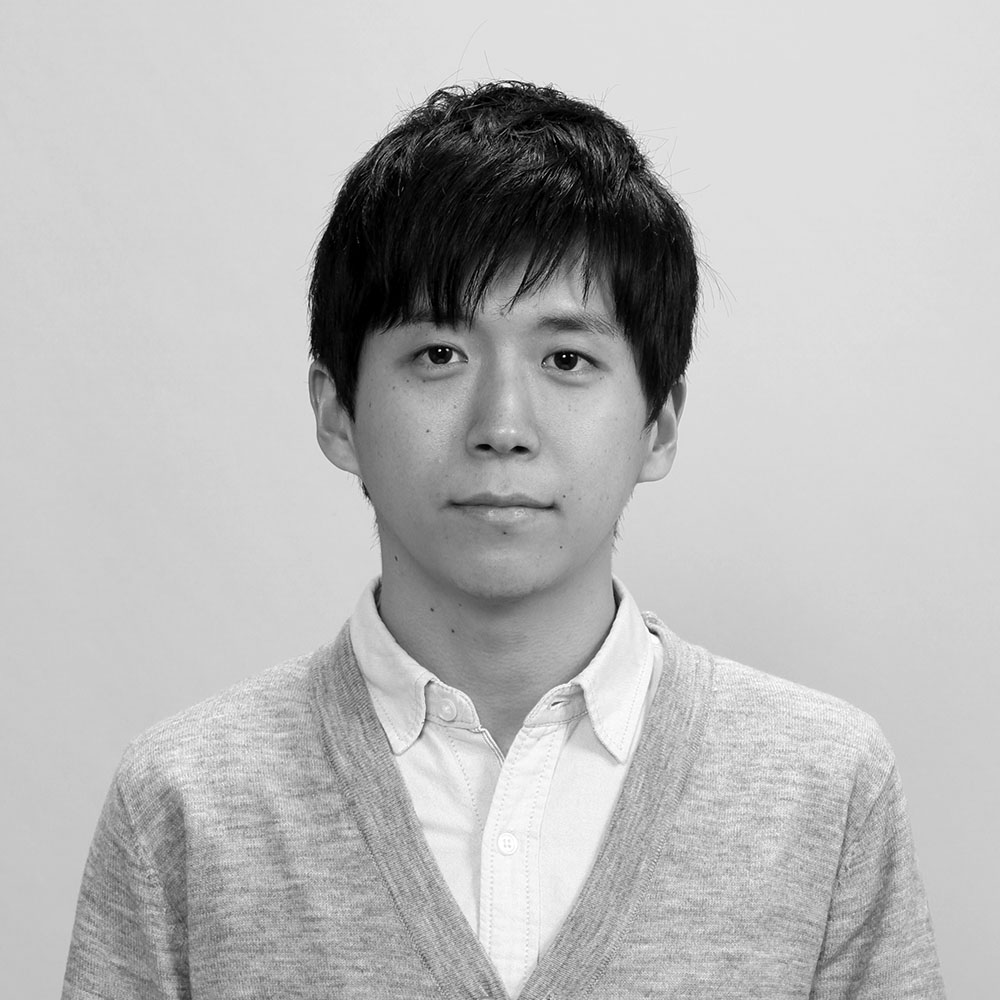
  • Yutaka Kubo
    Yutaka Kubo
    Kanazawa University, Japan
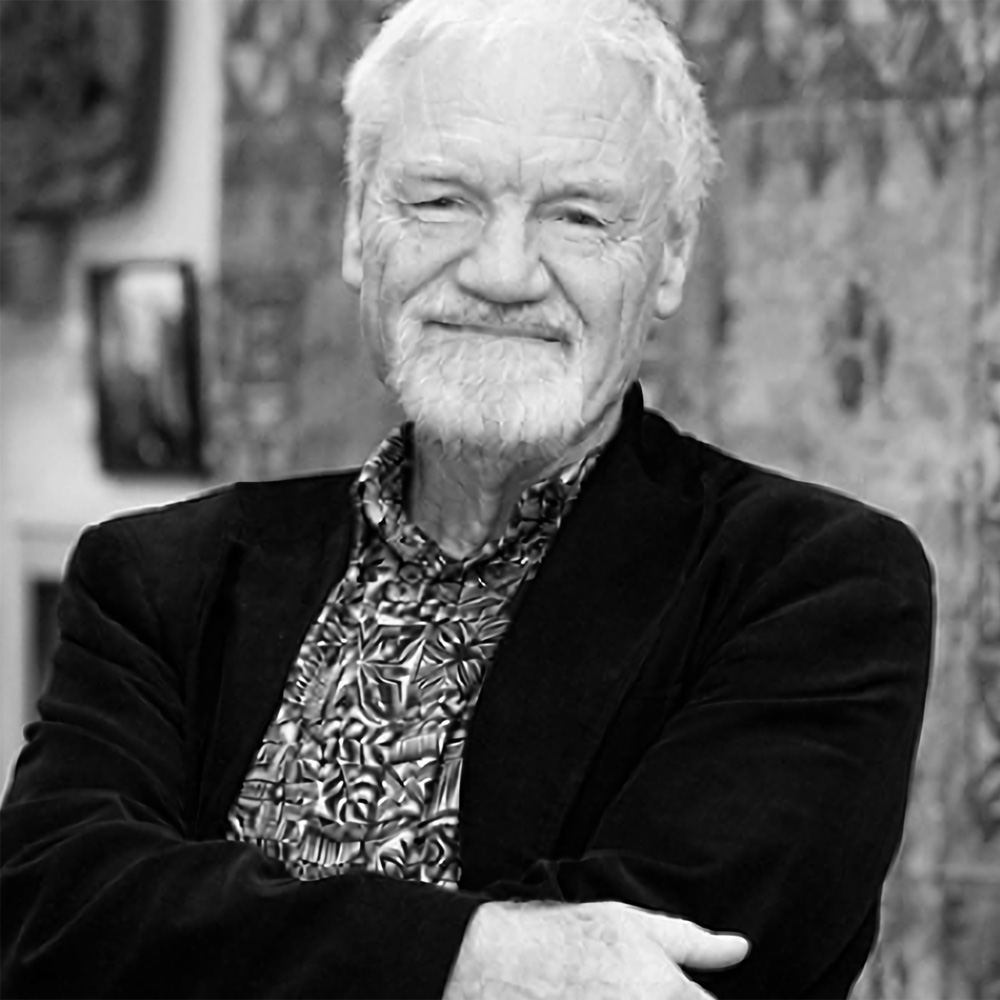
  • David Robie
    David Robie
    Asia Pacific Report, Aotearoa New Zealand
  • Brian Victoria
    Brian Victoria
    Oxford Centre for Buddhist Studies, UK

Back to Top


Programme

  • News Media and the World
    News Media and the World
    Panel Presentation: Azusa Iwane, Namie Kawabata Wilson, Kelsey Oliver Imanishi & Syafiq Syaikhul Akbar
  • Challenges Faced by Media Covering the Asia-Pacific: A Conversation with David Robie
    Challenges Faced by Media Covering the Asia-Pacific: A Conversation with David Robie
    Featured Interview: David Robie & Nasya Bahfen
  • Revisiting Keisuke Kinoshita through a Queer Lens
    Revisiting Keisuke Kinoshita through a Queer Lens
    Keynote Presentation: Yutaka Kubo
  • The “Zen” of Zen Gardens: Fact or Fiction?
    The “Zen” of Zen Gardens: Fact or Fiction?
    Keynote Presentation: Brian Victoria
  • Costume Conversations: Resilience and Representation in Cosplay and Beyond
    Costume Conversations: Resilience and Representation in Cosplay and Beyond
    Keynote Presentation: Thomas G. Endres

Back to Top


Organising Committee

The Conference Programme Committee is composed of distinguished academics who are experts in their fields. Conference Programme Committee members may also be members of IAFOR's International Academic Board. The Organising Committee is responsible for nominating and vetting Keynote and Featured Speakers; developing the conference programme, including special workshops, panels, targeted sessions, and so forth; event outreach and promotion; recommending and attracting future Conference Programme Committee members; working with IAFOR to select PhD students and early career academics for IAFOR-funded grants and scholarships; and overseeing the reviewing of abstracts submitted to the conference.

  • Nasya Bahfen
    Nasya Bahfen
    La Trobe University, Australia
  • Thomas G. Endres
    Thomas G. Endres
    University of Northern Colorado, United States
  • Joseph Haldane
    Joseph Haldane
    The International Academic Forum (IAFOR), Japan
  • Bradley J. Hamm
    Bradley J. Hamm
    Medill School of Journalism, Northwestern University, USA
  • Virgil Hawkins
    Virgil Hawkins
    Osaka University, Japan
  • Celia Lam
    Celia Lam
    University of Nottingham Ningbo China (UNNC), China
  • Timothy W. Pollock
    Timothy W. Pollock
    Osaka Kyoiku University, Japan
  • Paul Spicer
    Paul Spicer
    Hokkaido University, Japan
  • Gary E. Swanson
    Gary E. Swanson
    University of Northern Colorado, USA (fmr.)

Back to Top

Syafiq Syaikhul Akbar
Osaka School of International Public Policy (OSIPP), Osaka University, Japan

Biography

Syafiq is currently a second-year Master’s student at Osaka School of International Public Policy, Osaka University, Japan. Prior to entering Osaka University, he worked for local television and radio stations as a TV presenter and radio announcer. He is currently researching the news media in Indonesia and its interaction with the Indonesian government using the forest fire case of 2019 as the case study.

Nasya Bahfen
La Trobe University, Australia

Biography

Dr Nasya Bahfen is the postgraduate media and communications coordinator at La Trobe University, Australia, where she is also a researcher with the Centre for Sport and Social Impact. A former journalist and producer whose research looks at sport, media, and diversity, Dr Bahfen currently teaches digital content making and has supervised the completion of higher degrees by research students in the fields of Journalism and Public Relations/Strategic Communication. Her previous academic work includes how race is framed in Australian journalism through sport, interview choice among young journalism students covering diversity, the incorporation of social media in media education, and internet use by southeast Asian and Australian Muslim youth. Dr Bahfen was previously a visiting scholar with NYU’s Center for Religion and Media, where she conducted research comparing social media use among Muslim students in Melbourne and New York City. Her co-authored book Cyber Racism and Community Resilience: Strategies for Combating Online Race Hate (2017) was funded by the Australian Research Council, and explored building resilience among Jewish, Muslim, and other culturally diverse groups targeted by cyber racism.

Forum Discussion (2025) | TBA

Previous Presentations

Featured Interview (2022) | Challenges Faced by Media Covering the Asia-Pacific: A Conversation with David Robie
Presentation (2019) | Australia and Asia: Media and Identity in a Time of Change
Thomas G. Endres
University of Northern Colorado, United States

Biography

Thomas G. Endres (PhD, University of Minnesota) is Professor of Communication Studies at the University of Northern Colorado, USA, where he serves as coordinator to both COMM's online degree completion program and the Leadership Studies minor. Teaching/research interests include rhetoric and popular culture, storytelling within cultural communities, leadership and group dynamics, and pedagogical tools such as study abroad and online learning. His favourite course to teach is a short-term summer course in Barcelona, Spain. He is author/photographer of the book Sturgis Stories: Celebrating the People of the World's Largest Motorcycle Rally and has published dozens of book chapters and conference proceedings on topics such as father-daughter relationships, tattoos as family identifiers, and the Rocky Horror Picture Show. In 2015 he published the definitive article on Ernest Bormann’s Symbolic Convergence Theory in Wiley-Blackwell's International Encyclopedia of Communication Theory and Philosophy. Tom has delivered over 230 conference presentations worldwide, including TEDtalk ArenaCircle and keynote addresses at conferences in Japan, China, Thailand (where he also served as conference chair for MEDCOM 2016), and the UK. Awards received include Outstanding Professor from the National Speakers Association, Administrator of the Year from the National Communication Association’s National States Advisory Council, and the Lifetime Achievement Award from the Rocky Mountain Communication Association. He is currently writing a new photo-ethnography book on costume and identity and will co-author the next edition of Sellnow's The Rhetorical Power of Popular Culture: Considering Mediated Texts.

Keynote Presentation (2022) | Costume Conversations: Resilience and Representation in Cosplay and Beyond
Kelsey Oliver Imanishi
Osaka School of International Public Policy (OSIPP), Osaka University, Japan

Biography

Kelsey Oliver Imanishi is a PhD candidate at the Osaka School of International Public Policy (OSIPP), Osaka University, Japan. Her research focuses primarily on political communication, foreign policy agenda setting, and the role of the media during times of humanitarian crisis and natural disasters. Her most recent publication is “The Boy on the Beach: Shifts in US Policy Discourses on Syrian Asylum Following the Death of Alan Kurdi” in Media, Culture & Society (2022). She is currently continuing work on her dissertation, which is tentatively titled “Toward a More Holistic Understanding of Media Influence on Foreign Policy: Quantifying Media Discourse Diversity and Its Impact on US Aid Commitments to International Humanitarian Crises”, wherein she explores the impact of complex media narratives of crises on the aid bureaucracies tasked with responding to them. In addition to these research interests, Kelsey also has a background in rhetorical analysis, journalism studies, and international relations.

Azusa Iwane
Global News View, Japan

Biography

Ms Azusa Iwane is the vice-project manager, editor, and a main podcast host at Global News View (GNV), an independent media outlet introducing the Japanese audience to international news overlooked by domestic mainstream media. She is also a researcher specialising in international media coverage and the role of independent media, focusing on raising awareness on poverty issues. Her master’s thesis dealt with how African poverty issues are represented in the Japanese media. Ms Iwane has worked extensively with international development NGOs, including a series of field studies in Zambia to better grasp the effective poverty experienced by mining communities present in the region with the collaboration of the Dag Hammarskjöld Institute for Peace and Conflict Studies, Copperbelt University, Zambia.

Featured Panel Discussion (2024) | Media and Power in the Asia-Pacific: IAFOR Global Fellows and IAFOR Research Centre Panel Discussion

Namie Kawabata Wilson
Osaka School of International Public Policy (OSIPP), Osaka University, Japan

Biography

Namie Kawabata Wilson is a graduate student at the Osaka School of International Public Policy (OSIPP), Osaka University. Before joining OSIPP, she received her bachelor’s degree at the School of Human Sciences at Osaka University.

Namie Kawabata Wilson specialises in media studies, focusing on US election coverage. Her past research includes analysis on the claim of a ‘liberal’ media bias in the American mainstream media. Her current research analyses how the mainstream media covers Vice President Kamala Harris compared to former White male vice presidents.

Namie Kawabata Wilson has also written articles for Global News View, headed by Professor Virgil Hawkins, a Japanese research centre that provides comprehensive and objective information about world issues. She served as the President of the International Student Conference (2019-2020), a summer program for students around the world to discuss solutions for global issues. She was the host and organiser of the Global Youth Conference on Fully Autonomous Weapons (2020-2021), working with Human Rights Watch and the Campaign to Stop Killer Robots to submit a proposal of recommendations for the Japanese government.

Yutaka Kubo
Kanazawa University, Japan

Biography

Dr Yutaka Kubo is Associate Professor of Film Studies at Kanazawa University, Japan. His research centers on queer forms of touch, affect, mourning, foodways, aging, and digital archiving in Japanese visual culture. Dr Kubo earned a BA in English with a Concentration on Film Studies from Framingham State University, United States, and received his PhD from Kyoto University, Japan, in 2017. He is the author of Yūyakegumo no kanata ni: Kinoshita Keisuke to kuia na kansei [Over the Sunset: Kinoshita Keisuke and Queer Sensibility] (Nakanishiya shoten, 2022) and has written chapters for the upcoming anthologies The Cinema of Kinoshita Keisuke (Edinburgh University Press, 2025), The Japanese Documentary Cinema of Haneda Sumiko (Routledge, 2025), and Screening Postmillennial Queer Film (Routledge, 2026). Outside of academia, Dr Kubo has served as script supervisor for Yasutomo Chikuma’s forthcoming 2025 film ‘The Deepest Space in Us’.

Roundtable Discussion (2025) | Expanding Film and Media History: Lessons from Japan

Previous Presentations

Keynote Presentation (2022) | Revisiting Keisuke Kinoshita through a Queer Lens
David Robie
Asia Pacific Report, Aotearoa New Zealand

Biography

David Robie is the editor and publisher of Asia Pacific Report and founding director of the Pacific Media Centre at Auckland University of Technology (where he recently retired as Professor of Communication and Pacific Journalism), and a journalist of more than 40 years covering the Asia-Pacific region. He has reported on post-colonial coups, indigenous struggles for independence, environmental issues, and international development. He is the author of several books on South Pacific media and politics including Eyes of Fire: The Last Voyage of the Rainbow Warrior, The Pacific Journalist: A Practical Guide, and Don't Spoil My Beautiful Face: Media, Mayhem and Human Rights in the Pacific.

Featured Interview (2022) | Challenges Faced by Media Covering the Asia-Pacific: A Conversation with David Robie
Brian Victoria
Oxford Centre for Buddhist Studies, UK

Biography

Dr Brian Victoria is a native of Nebraska and a 1961 graduate of Nebraska Wesleyan University, United States. He holds an MA in Buddhist Studies from Sōtō Zen sect-affiliated Komazawa University in Tokyo, and a PhD from the Department of Religious Studies at Temple University, United States.

In addition to a second, enlarged edition of Zen At War (Rowman & Littlefield, 2006), Brian's major writings include Zen War Stories (RoutledgeCurzon, 2003); an autobiographical work in Japanese titled Gaijin de ari, Zen bozu de ari (As a Foreigner, As a Zen Priest), published by San-ichi Shobo in 1971; Zen Master Dōgen, coauthored with Professor Yokoi Yūhō of Aichi Gakuin University (Weatherhill, 1976); and a translation of The Zen Life by Sato Koji (Weatherhill, 1972). In addition, Dr Victoria has published numerous journal articles focusing on the relationship between religion, particularly Buddhism, and violence and warfare.

Dr Victoria was a Professor of Japanese Studies and Director of the AEA Japan and Its Buddhist Traditions Program at Antioch University, United States from 2005 to 2013. He was a Visiting Research Fellow at the International Research Center for Japanese Studies in Kyoto, Japan from 2013 to 2015. His latest book, Zen Terror: The Death of Democracy in Prewar Japan was published by Rowman & Littlefield in February 2020. Dr Victoria is currently a Senior Research Fellow at the Oxford Centre for Buddhist Studies and a fully ordained Buddhist priest in the Sōtō Zen sect.

Keynote Presentation (2025) | The Shōwa Restoration in 1930s Japan: True National Socialism

Previous Presentations:

Keynote Presentation (2023) | To Whom Do the Senkaku (Ch. Diaoyu) Islands Belong and Why Should We Care?
Keynote Presentation (2022) | The “Zen” of Zen Gardens: Fact or Fiction?
Keynote Presentation (2021) | 'Holy War' as Portrayed in Japanese Films, 1937-45
News Media and the World
Panel Presentation: Azusa Iwane, Namie Kawabata Wilson, Kelsey Oliver Imanishi & Syafiq Syaikhul Akbar

In this plenary panel presentation, four students from the Osaka School of Public Policy (OSIPP) at Osaka University will describe their research into international news media.


SDGs Coverage in the Media: Case Study of a Japanese Newspaper | Azusa Iwane

United Nations’ Sustainable Development Goals (SDGs) identified 17 goals to realise a sustainable world with no one left behind. The first of these goals is the eradication of poverty. While SDGs are widely adopted by Japanese society across both public and private entities, the actual content of this narrative remains to be effectively characterised. The presenter uses Japanese newspapers to examine the common focus of the SDGs within Japanese newspaper coverage.


The Not So 'Liberal' Media: 2020 Presidential Election Coverage in American Broadcast Media | Namie Kawabata Wilson

Using a case study of MSNBC's broadcast coverage of the 2020 race for the Democratic presidential nomination, this study tests the claim of a 'liberal' media bias by quantitatively and qualitatively analysing coverage of 'liberal' presidential candidates. Results show that MSNBC covers 'liberal' candidates in a more negative manner than 'moderate' candidates, refuting the claim of a 'liberal' media bias.


Aid Bureaucracies in Times of Humanitarian Crisis: How Media and Congressional Interest Shape USAID Responses to Complex Humanitarian Emergencies | Kelsey Oliver Imanishi

There has been much speculation on the determinants of foreign aid. While the motivations underpinning aid – geostrategic importance, economic self-interest, and humanitarian need – have become more or less accepted, what is less understood is how aid bureaucracies respond to the preferences of political actors such as elected officials or the media. In clarifying this relationship, this research examines how US media and congressional discourses (measured in attention volume and complexity) impact USAID obligations made to countries experiencing complex humanitarian emergencies. It finds that both indicators for both the media and Congress have significant impacts on aid allocations even above and beyond the impact of need indicators.


News Media Influence on Policymakers’ Response to Natural Disaster: The Case of Forest Fires of 2019 in Indonesia | Syafiq Syaikhul Akbar

Press freedom in Indonesia was not given to the news media until 1998 when the country had a major democratic reform. The study aims to understand the current role that the news media plays with press freedom and its interaction with the Indonesian government. The study is using the 2019 forest fire as its case study as there was a major fire and a presidential election happening in the same calendar year.

Read presenters' biographies
Challenges Faced by Media Covering the Asia-Pacific: A Conversation with David Robie
Featured Interview: David Robie & Nasya Bahfen

New Zealand journalist and academic David Robie has covered the Asia-Pacific region for international media for more than two decades. An advocate for media freedom in the Pacific region, he is the author of several books on South Pacific media and politics, including an account of the French bombing of the Greenpeace ship the Rainbow Warrior - which took place while he was on board. In 1994 he founded the journal Pacific Journalism Review examining media issues and communication in the South Pacific, Asia-Pacific, Australia and New Zealand. In this interview conducted by Mediasia organising committee member Dr Nasya Bahfen, Professor Robie discusses a surge of disinformation and the challenges it posed for journalists in the region as they covered the COVID-19 pandemic alongside a parallel 'infodemic' of fake news and hoaxes. He also explores the global climate emergency and the disproportionate impact it is having on the Asia-Pacific.

Read presenter's biography
Revisiting Keisuke Kinoshita through a Queer Lens
Keynote Presentation: Yutaka Kubo

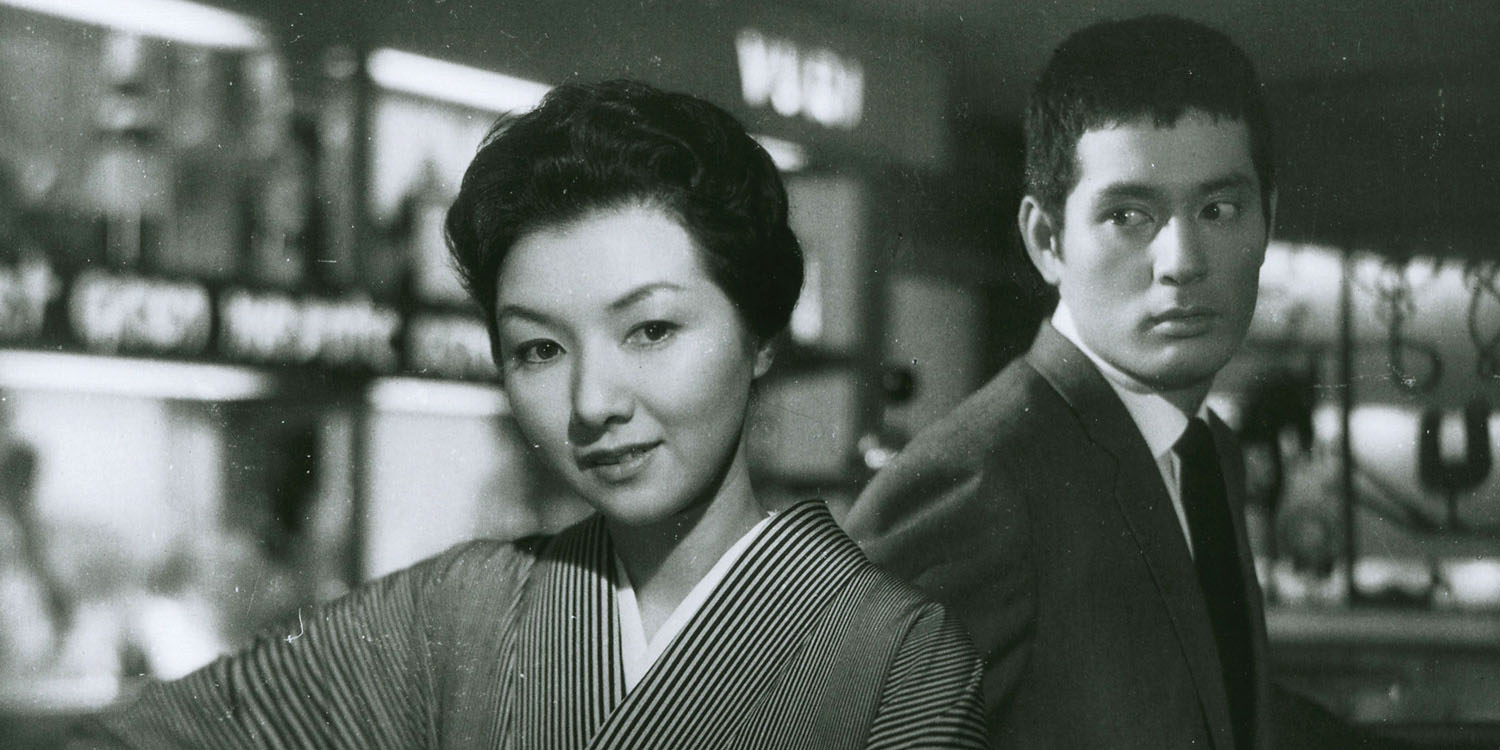
The works of Japanese filmmaker Keisuke Kinoshita have long been underappreciated in Western academic circles, despite enjoying critical success in Japan and despite his enormous contribution to the film industry during the second golden age of Japanese cinema in the 1950s. Ever since his passing in 1998, film scholars and critics in Japan have sought to reframe his career through the perspectives of war memory, family, and gender. One of these attempts includes film critic Ikuko Ishihara’s comprehensive analysis of masculinity and male vulnerability in Kinoshita’s films, which paved the way for examining expressions of non-normative gender, sexuality, and body in the post-war era. Following Ishihara’s work, some scholars have begun to focus on Kinoshita’s aesthetic obsession with non-normativity.

How do Kinoshita’s films help us understand Kinoshita’s complex relationship with love, attachment, and intimacy? Sharing elements from my monograph Yuyakegumo no kanata ni: Kinoshita Keisuke to kuia na kansei (Over the Sunset: Kinoshita Keisuke and Queer Sensibility), this talk will introduce the ways to trace and enjoy the fluidity of Kinoshita’s queer sensibility in his commercial works from the 1940s to the 1950s, in addition to re-contextualizing his home movies, shot between 1937 and 1949, through a queer lens.

Read presenter's biography
The “Zen” of Zen Gardens: Fact or Fiction?
Keynote Presentation: Brian Victoria

For many who come to Kyoto, the opportunity to view one or more Zen gardens is a highlight of their visit. Simply described, Zen gardens are composed of miniature, stylized landscapes created through the careful arrangement of rocks, water, moss, pruned trees and bushes, and/or the use of gravel or sand raked to represent ripples in water. Zen gardens are intended to imitate the essence of nature, not its actual appearance and have been found at Zen Buddhist temples in Kyoto from the Muromachi period (1338–1573) onwards. Usually relatively small and surrounded by a temple wall or buildings, a Zen garden is meant to be seen while seated from a single viewpoint outside the garden such as the residence of the abbot of the temple or monastery. For this reason, Zen gardens are widely believed to serve as an aid to the practice of meditation, either expressing, or capable of teaching, the ultimate Buddhist truth of awakening/enlightenment. Focusing on Ryōanji, one of Kyoto’s most famous Zen gardens, this presentation asks the simple question – is this fact or fiction?

Read presenter's biography
Costume Conversations: Resilience and Representation in Cosplay and Beyond
Keynote Presentation: Thomas G. Endres
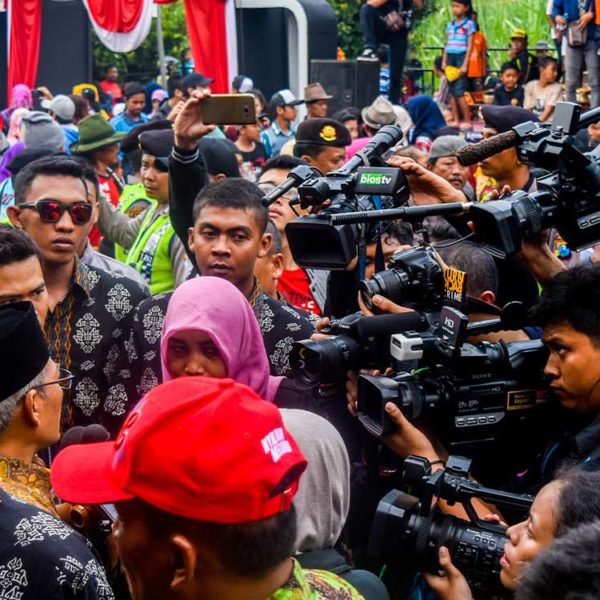
For some, dressing up in costume provides an opportunity to be someone they are not. But for many, the costume allows the person to dress in a way that shows who they really are. In this presentation, Endres shares a preview of his forthcoming book My Costume, Myself: Celebrating Stories of Cosplay and Beyond (Kirk House Press). Beginning with a brief history of costuming and cosplay, and examining the impact of costume messages on self-identification and portrayal, the address focuses primarily on photos and interviews conducted by Endres over a year-long period in venues ranging from New York City to Los Angeles, California. The scenes range from Comic Cons and Festivals to Old West historical reenactments in the streets of Deadwood, South Dakota, United States, and the costumes run the gamut from superheroes to anime/manga to Medieval to drag. Both the resilience of subjects, and the ways in which they choose to represent themselves, is found in stories related to grief, health, ability/disability, gender identification, and family relationships. Of particular interest are questions related to depictions of race and culture, and the continuum between “appropriate” and “appropriation.” With the goal of celebration, these stories serve to legitimise and validate this increasingly popular cultural phenomenon.

Read presenter's biography
Nasya Bahfen
La Trobe University, Australia

Biography

Dr Nasya Bahfen is the postgraduate media and communications coordinator at La Trobe University, Australia, where she is also a researcher with the Centre for Sport and Social Impact. A former journalist and producer whose research looks at sport, media, and diversity, Dr Bahfen currently teaches digital content making and has supervised the completion of higher degrees by research students in the fields of Journalism and Public Relations/Strategic Communication. Her previous academic work includes how race is framed in Australian journalism through sport, interview choice among young journalism students covering diversity, the incorporation of social media in media education, and internet use by southeast Asian and Australian Muslim youth. Dr Bahfen was previously a visiting scholar with NYU’s Center for Religion and Media, where she conducted research comparing social media use among Muslim students in Melbourne and New York City. Her co-authored book Cyber Racism and Community Resilience: Strategies for Combating Online Race Hate (2017) was funded by the Australian Research Council, and explored building resilience among Jewish, Muslim, and other culturally diverse groups targeted by cyber racism.

Forum Discussion (2025) | TBA

Previous Presentations

Featured Interview (2022) | Challenges Faced by Media Covering the Asia-Pacific: A Conversation with David Robie
Presentation (2019) | Australia and Asia: Media and Identity in a Time of Change
Thomas G. Endres
University of Northern Colorado, United States

Biography

Thomas G. Endres (PhD, University of Minnesota) is Professor of Communication Studies at the University of Northern Colorado, USA, where he serves as coordinator to both COMM's online degree completion program and the Leadership Studies minor. Teaching/research interests include rhetoric and popular culture, storytelling within cultural communities, leadership and group dynamics, and pedagogical tools such as study abroad and online learning. His favourite course to teach is a short-term summer course in Barcelona, Spain. He is author/photographer of the book Sturgis Stories: Celebrating the People of the World's Largest Motorcycle Rally and has published dozens of book chapters and conference proceedings on topics such as father-daughter relationships, tattoos as family identifiers, and the Rocky Horror Picture Show. In 2015 he published the definitive article on Ernest Bormann’s Symbolic Convergence Theory in Wiley-Blackwell's International Encyclopedia of Communication Theory and Philosophy. Tom has delivered over 230 conference presentations worldwide, including TEDtalk ArenaCircle and keynote addresses at conferences in Japan, China, Thailand (where he also served as conference chair for MEDCOM 2016), and the UK. Awards received include Outstanding Professor from the National Speakers Association, Administrator of the Year from the National Communication Association’s National States Advisory Council, and the Lifetime Achievement Award from the Rocky Mountain Communication Association. He is currently writing a new photo-ethnography book on costume and identity and will co-author the next edition of Sellnow's The Rhetorical Power of Popular Culture: Considering Mediated Texts.

Keynote Presentation (2022) | Costume Conversations: Resilience and Representation in Cosplay and Beyond
Joseph Haldane
The International Academic Forum (IAFOR), Japan

Biography

Joseph Haldane is the founder, chairman, and CEO of IAFOR. He is responsible for devising strategy, setting policies, forging institutional partnerships, implementing projects, and overseeing the organisation’s global business and academic operations.

Dr Haldane has a PhD from the University of London in nineteenth-century French studies (ULIP/RHUL), and has research interests in world history and politics; international education; and governance and decision making. Since 2015, he has been a Guest Professor at Osaka University’s School of International Public Policy (OSIPP), and Co-Director of the OSIPP-IAFOR Research Centre since 2017.

In 2020, Dr Haldane was elected Honorary Professor of University College London (UCL) through the Bartlett School of Sustainable Construction, and full Professor in the United Nations Peace University's European Center for Peace and Development in 2022. A member of the World Economic Forum’s Expert Network for global governance, he holds visiting professorships at Belgrade and Doshisha Universities where he teaches ethics and governance. He is a member of the International Advisory Council of the Department of Educational Foundations at the University of Hawaiʻi at Mānoa.

Professor Haldane has had full-time faculty positions at the Université Paris-Est Créteil, Sciences Po Paris, and Nagoya University of Commerce and Business, as well as visiting positions at the French Press Institute (Université Paris-Panthéon-Assas), and the Schools of Journalism of Sciences Po Paris and Moscow State University.

Dr Haldane has been invited to speak at universities and conferences globally, including the UN HQ in New York, and advised universities, NGOs and governments on issues relating to international education policy, public-private partnerships, and multi-stakeholder forums. He was the project lead on the 2019 Kansai Resilience Forum, held by the Japanese Government through the Prime Minister’s Office and oversaw the 2021 Ministry of Foreign Affairs commissioned study on Infectious Diseases on Cruise Ships.

Bradley J. Hamm
Medill School of Journalism, Northwestern University, USA

Biography

Bradley J. Hamm is a full professor at the Medill School of Journalism, Media, Integrated Marketing Communications at Northwestern University, USA, serving as the dean from 2012 to 2018, where he oversaw Medill's programs in Chicago, Washington, DC, and San Francisco in addition to its home campus in Evanston. Previously, he was Dean of the Indiana University School of Journalism in Bloomington and Indianapolis, USA.

Hamm's PhD is in mass communication research from the University of North Carolina, USA. He received a master’s degree in journalism from the University of South Carolina, USA, and an undergraduate degree from Catawba College in North Carolina, USA.

He also served as the interim dean and associate dean of the School of Communications at Elon University in North Carolina, USA. Hamm has taught in study abroad programs in Japan, China and the United Kingdom and started his career as a newspaper reporter. His teaching and research interests are in journalism history and media theory, particularly agenda setting theory.

He served as a trustee for the Poynter Institute and is a judge for the Scripps Howard National Journalism Awards. He serves as an independent, non-executive member of the Board of Directors for Next Digital media company of Hong Kong and Taiwan.

Virgil Hawkins
Osaka University, Japan

Biography

Dr Virgil Hawkins is a professor specialising in world affairs and the news media, and is based at the Osaka School of International Public Policy (OSIPP), The University of Osaka, Japan. He obtained his PhD in International Public Policy from OSIPP, where he focused on international politics, conflict, the UN Security Council, and the news media. He proceeded to work for five years for a non-governmental aid organisation, primarily in Cambodia and Zambia, before returning to the university as a faculty member. He has written and edited a number of books, including Stealth Conflicts: How the World’s Worst Violence is Ignored (2008), and Communication and Peace: Mapping an Emerging Field (co-edited, 2015). His work focuses on furthering our understanding of how and why the vast majority of the world remains relatively uncovered by the news media.

To these ends, Professor Hawkins has since shifted his focus to work at a more practical level. He co-established the Southern African Centre for Collaboration on Peace and Security (SACCPS) [http://saccps.org/] in 2010, which is a network that has brought together researchers and practitioners working on these issues throughout the region. He went on to establish Global News View (GNV) [http://globalnewsview.org/], a large-scale media project that analyses trends and deficiencies in the world news coverage by the Japanese news media, and attempts to compensate for those deficiencies by providing analysis on undercovered global issues.

Featured Panel Discussion (2025) | Japanese Newspaper Coverage of the World


Previous Presentations

Featured Panel Discussion (2024) | Media and Power in the Asia-Pacific: IAFOR Global Fellows and IAFOR Research Centre Panel Discussion

Featured Panel Presentation (2023) | International News Coverage and The Role of Independent Media
Celia Lam
University of Nottingham Ningbo China (UNNC), China

Biography

Dr Celia Lam is an Assistant Professor (Lecturer) in Media and Cultural Studies, School of International Communications, University of Nottingham Ningbo China (UNNC), China. She received a BMedia in Screen Production from Macquarie University, Sydney and subsequently a PhD from the University of Sydney. Her research focuses on the cultural and aesthetic impact of digital technologies on media production and consumption, audience reception and fan studies. She also has an interest in mediated self-presentation, including online identity presentation and management. In 2012 she was awarded an Endeavour Award Post-Doctoral Fellowship from the Australian Government to undertake research in the area of online identity presentation in Hong Kong. Her work has been published in journals such as Convergence: The International Journal of Research into New Media Technologies, Northern Lights: Film & Media Studies Yearbook, and the Australian Edition of the Global Media Journal. She is an advisory board member for the Centre for Media and Celebrity Studies, editorial board member of Participations, and editor of the IAFOR Journal of Media, Communication and Film.

Timothy W. Pollock
Osaka Kyoiku University, Japan

Biography

Professor Timothy W. Pollock lectures on film and visual culture at Osaka Kyoiku University, Japan. He has presented papers on film, semiotic theory, ethics, and education, all of which were structured around the central theme of the power of multi-modal, dramatic visual narratives. His film research has focused on the development of standards and practices in classical Japanese cinema in general, and on the later films of Ozu Yasujiro in particular, while his work in the field of semiotics has focused on the applicability of social semiotic theory to the analysis of Japanese cinema and Japanese visual culture.

Professor Pollock’s media work includes appearing in conversation with fellow film historian Stuart Galbraith IV on the new Blu-ray releases of the Akira Kurosawa films Sanjuro, Red Beard, and The Idiot from A Contracorriente Films. As a long-time resident of Japan, he has also worked as an assistant editor on the second edition of the GENIUS Japanese-English Dictionary. He has served as a judge for film festivals in the United Kingdom and India, and is currently serving as visiting faculty at the Manipal Institute of Communication in Karnataka, India.

Roundtable Discussion (2025) | Expanding Film and Media History: Lessons from Japan

Paul Spicer
Hokkaido University, Japan

Biography

Dr Paul Spicer is currently a lecturer within the Research Faculty of International Media and Communication at Hokkaido University, in Sapporo. Paul's research lies mainly in the areas of film, and cultural studies with a specific focus on the national cinemas of Japan, and the U.K. His work has been published in a variety of leading international publications, and he has presented at a number of conferences and symposiums around the world. In addition to his research on film and culture, he has also published work on popular music, most notably a chapter for Bloomsbury which explores the lyrics of the British singer/songwriter Paul Weller and their relationship to the spiritual and religious. His current research projects include; a study on the relationship between Japanese film and Japanese socio/political issues between 1965 and 1975; and an exploration into the use of the cultural vernacular in Guy Ritchie's Lock, Stock and Two Smoking Barrels (1998).

Gary E. Swanson
University of Northern Colorado, USA (fmr.)
Biography

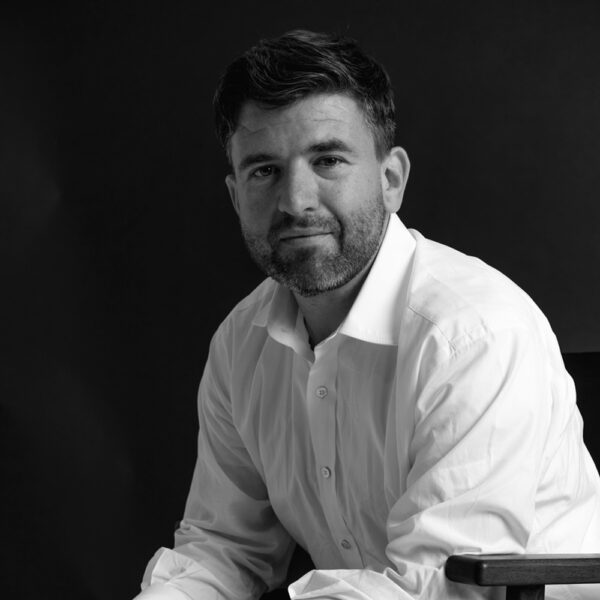
Gary E. Swanson is the former Mildred S. Hansen Endowed Chair and Distinguished Journalist-in-Residence at the University of Northern Colorado, USA. From 2005-2007 Professor Swanson was a Fulbright scholar to China and lectured at Tsinghua University and the Communication University of China. In summer 2008 he was Commentator for China Central Television International (CCTV-9) and their live coverage of the Beijing Olympic Games. Swanson repeated his assignment covering the London Olympics for CCTV-4 in the summer of 2012. Previously, he was professor and director of television for nine years at the Medill School of Journalism at Northwestern University where he taught mostly graduate broadcast students. He has been an educator for 26 years; 20 years spent teaching at the university level. Swanson is an internationally recognized and highly acclaimed documentary producer, director, editor, photojournalist, consultant and educator. He has given keynote speeches, presented workshopsretd and lectured at embassies, conferences, festivals, and universities throughout China, South Africa, India, Papua New Guinea, Japan, The Philippines, Thailand, Malaysia, Cambodia, Vietnam, Laos, Singapore, Greece, Germany, Jordan, Spain, Portugal, Peru, the United Kingdom and the United States.

Swanson has compiled a distinguished professional broadcast career spanning 13 years: From 1978 to 1991, Swanson worked for the National Broadcasting Company where he was honored with national EMMYs for producing and editing: The Silent Shame, a prime-time investigative documentary; Military Medicine, a two-part investigative series on NBC News; and Hotel Crime, an investigative news magazine piece. Swanson was an editor for "breaking news and features" for NBC Nightly News with Tom Brokaw, the Today Show, Sunrise, Sunday Today, NBC Overnight, A Closer Look, Monitor, and other prime time news magazines. Swanson covered "breaking news" in 26 states and Canada for the network including trips and campaigns of presidents Ronald Reagan, George Bush, and Bill Clinton. Swanson was the Fulbright distinguished lecturer and consultant in television news to the government of Portugal in 1989. In 1992, he covered the XXV Olympics in Barcelona, Spain for NBC News as field producer and cameraman. Swanson has earned more than 75 awards for broadcast excellence and photojournalism including three national EMMYs, the duPont Columbia Award, two CINE 'Golden Eagles,' 16 TELLYs, the Monte Carlo International Award, the Hamburg International Media Festival's Globe Award, the Videographer Award, The Communicator Award, the Ohio State Award, the CINDY Award, the 2011 Communitas Outstanding Professor and Educator award, the 2013 Professor of the Year award, and many others. He graduated from the University of Illinois at Urbana with a Bachelor's degree in Education in 1974, and a Master's degree in Journalism in 1993.

Professor Gary E. Swanson is a member of IAFOR’s Academic Governing Board. He is Chair of the Media & Film section of the International Academic Advisory Board.